

Can Sleep Deprivation Lead to Unwanted Thoughts?
January 20, 2026
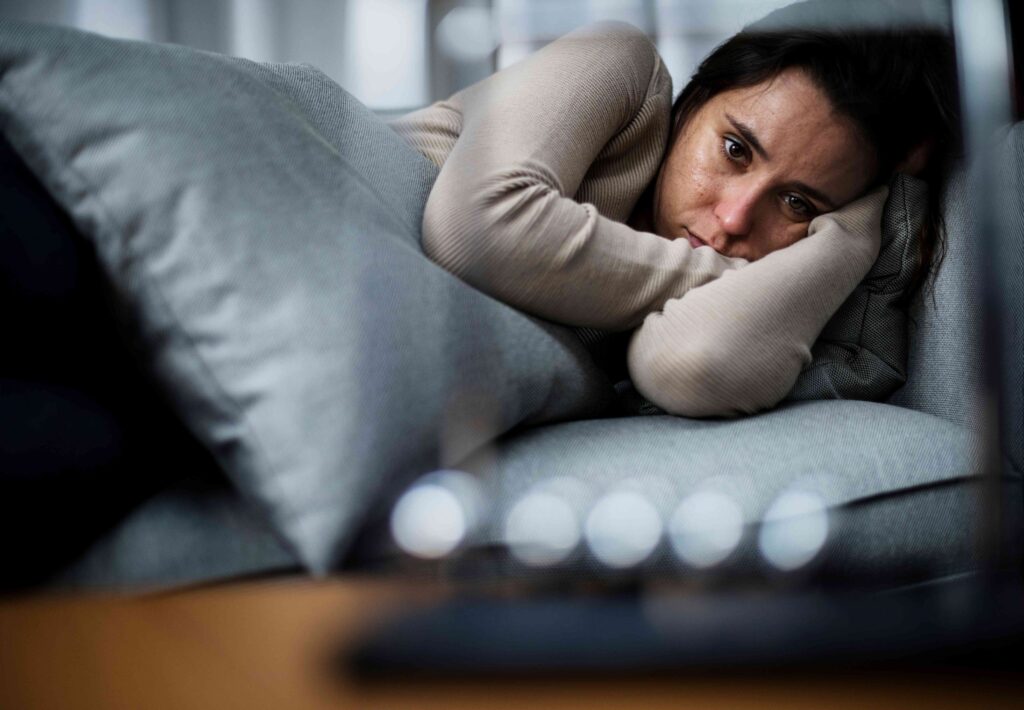
We are all familiar with unwanted thoughts. To an extent, it is normal to have these thoughts from time to time. After all – we’re only human and thoughts of doubt and distress can come about. However, if you notice these thoughts becoming repetitive, uncontrollable, and impacting other areas of your life, you could be dealing with another issue. One factor that can contribute to intrusive thoughts is sleep deprivation. Read on to learn more about unwanted thoughts and how sleep apnea treatment can help to reduce them.
How Does Sleep Deprivation Affect Unwanted Thoughts?
Unwanted thoughts happen from time to time for pretty much anyone. However, the ability to suppress them can vary greatly between people. There are various factors that can play a role, and we are learning more about them as the years pass.
In a sleep study published by Clinical Psychology Science, it appears that sleep loss has a considerable impact on the ability to keep away unwanted thoughts. The study consisted of a group of 60 healthy individuals who were separated into two groups. The first was assigned the “sleep group,” and the second were assigned the “sleep deprivation group.” After a night, the participants were shown pictures of faces and asked to try to suppress the associations that the faces provoked. Those who have a significant amount of sleep were more easily able to suppress unwelcome thoughts and reported that it became easier over time. On the other hand, those who were sleep-deprived reported a 50% increase in unwanted thoughts.
How Can Treating Sleep Apnea Improve Your Quality of Sleep?
One of the most common reasons for sleep deprivations is sleep apnea. Sleep apnea is a common sleep disorder in which one stops breathing multiple times throughout the night. This can result in serious complications, like excessive daytime sleepiness, insomnia, nightmares, sleep deprivation, loud snoring, and mood changes. Sleep apnea treatments work by preventing these ceases of breathing from occurring throughout the night, allowing for uninterrupted, quality sleep.
How Is Sleep Apnea Treated?
There are multiple treatment methods available for addressing sleep apnea. For mild cases, lifestyle changes, like losing excess weight, getting plenty of exercise, and switching sleep positions, could be enough to reduce symptoms. For people with severe sleep apnea, a CPAP machine may be necessary. This treatment consists of a patient wearing a mask that covers their nose and mouth as they sleep. Air is pushed through the airway to keep it open during sleep. The problem is that many people find CPAP machines uncomfortable, loud, and inconvenient to travel with, so they are less likely to comply with their treatment.
Alternatively, oral appliance therapy consists of the patient wearing a custom oral appliance in their mouth as they sleep. This helps to shift the jaw forward, preventing the airway from collapsing during sleep.
Unwanted thoughts can negatively impact your emotions. If you have noticed additional unwanted thoughts, you might want to consider being tested for sleep apnea. By receiving treatment, you can get the quality sleep you need to thrive during the day.
About the Author
Dr. Deborah A. Romack earned her dental doctorate from the Baylor College of Dentistry, graduating with honors. Since then, she has been committed to continuing education to keep her knowledge and skills sharp. She is affiliated with numerous professional organizations, including the American Academy of Dental Sleep Medicine, American Dental Association, Texas Dental Association, and many more. To learn more about sleep apnea treatment or to schedule an appointment at her office in Weatherford, visit her website or call (817) 594-3806.