
NightLase – Weatherford, TX
Opening the Airway for Better Sleep
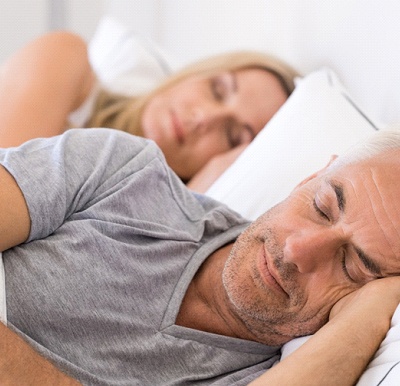
Sleep apnea and snoring affect millions of Americans. If you are among them, oral appliance therapy may be able to help. But did you know that you might also be eligible for an additional treatment? NightLase laser therapy is a remarkable, noninvasive procedure that is designed to open up the airway and facilitate a reduction in snoring and a lower risk of apneas (pauses in breathing). Continue reading to learn more about this innovative sleep apnea treatment in Weatherford.
How Does NightLase Work?
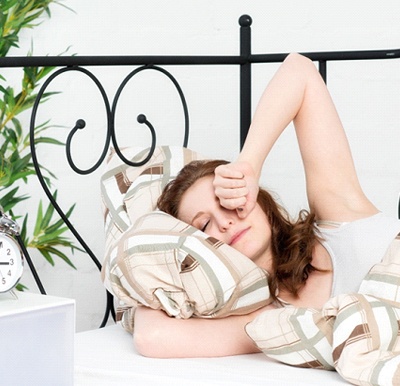
NightLase uses a laser to stimulate collagen contraction in the tissues of the upper airway. Essentially, this means that those tissues become tighter, which reduces the risk that they will overrelax during sleep and contribute to apneas and snoring.
What Happens During the Treatment?
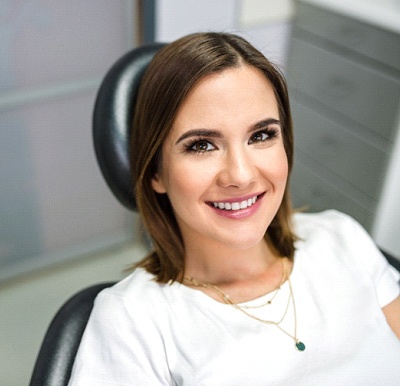
If Dr. Romack, your sleep dentist in Weatherford, determines that you are a good candidate for NightLase, you can look forward to an easy and comfortable experience. When the laser is being used, you can expect to experience a warm and tingling sensation in your throat. It might be compared to having a fine mist of hot water sprayed in the area.
There is no downtime after the procedure. Most patients don’t experience any side effects, but a few get a mild sore throat. In the majority of cases, patients notice results immediately after their first NightLase session. However, Dr. Romack may recommend that you attend multiple sessions in order to experience the best possible results.
What Results Can I Expect from NightLase?

Here are a few things to keep in mind about the NightLase treatment:
- The results usually last several months to a year (longer in some cases). If your partner comments that your snoring has worsened, it might be time to schedule another NightLase session with Dr. Romack.
- NightLase doesn’t replace traditional sleep apnea treatments. The vast majority of patients notice a reduction in snoring, and more than half notice that the quality of their sleep improves. However, NightLase isn’t a “cure” for sleep apnea. You might still have to wear an oral appliance for optimum sleep quality.
- Ongoing monitoring is important. Anyone with sleep apnea should always pay attention to the quality of their sleep, and you should be diligent about checking in with us. We want to help you enjoy the best sleep possible!
Who Is a Candidate for NightLase?

Most patients who suffer from snoring or obstructive sleep apnea (OSA) qualify for NightLase treatment. It is perfect for many patients who have been told their OSA is bad enough that they should use a CPAP instead of an oral appliance. It might lessen the severity of your condition to the point where an oral appliance would be perfect for you.
Also, keep in mind that candidacy for NightLase depends on the anatomical issues that cause sleep apnea. For example, while it works quite well for tightening up tissues in the throat, it might not be able to help you if a large tongue is responsible for your apneas. Dr. Romack will thoroughly examine your mouth before she recommends the best sleep apnea treatment for your unique circumstances.
Would you like to speak to her about NightLase? Contact our friendly team today.
NightLase FAQs
Does NightLase have any risks?
NightLase is a gentle laser therapy that can reduce noisy snoring and help to keep your airway open during sleep. It is generally very safe, but as with any medical treatment, some short-term side effects can occur.
You may notice mild warmth in the affected tissues, throat dryness, or brief tender spots after a visit. These effects often fade fast. Severe adverse events related to NightLase are extraordinarily rare. Plus, our Weatherford team takes every appropriate safety precaution to help you enjoy an easy and worry-free experience.
Is NightLase covered by insurance?
Coverage can vary by plan. NightLase is often viewed as a dental or wellness service, so many medical plans do not cover it.
In contrast, oral appliance therapy for obstructive sleep apnea may qualify for medical insurance when you have a sleep apnea diagnosis from a provider and a custom device is prescribed.
Regardless of how your insurance might apply, our team will do all we can to make the financial aspect of your care as easy as possible. For example, we can help you understand your benefits and assist with the claims process. If you do not qualify for coverage, you may wish to explore other payment options, such as financing.
How many NightLase sessions will I need?
Most patients start with a series of three NightLase visits spaced about three to four weeks apart. Thereafter, some patients benefit from periodic maintenance visits based on airway tone, snore level, age, anatomy, and sleep test data. During your consult, we will assess your airway and talk with you about your sleep concerns. Your treatment plan will be customized to your unique needs and preferences.
Is NightLase approved by the FDA?
The laser technology used for NightLase has FDA clearance for several dental and soft tissue uses. This means that it has been deemed as a low-risk approach to care, and it is similar to other products that have undergone a more rigorous testing process.
What are the aftercare instructions for NightLase?
After NightLase, you can expect to be able to return to your normal day right away. We may advise you to drink water, avoid very hot or spicy foods for the rest of the day, and tell us about any unusual soreness. If you wear a nightguard or oral appliance, we will tell you when to use it after each visit.
We may also provide guidance on lifestyle choices and habits that can support good results from your NightLase treatment. For example, avoiding cigarettes, managing your weight, and sleeping on your side can all contribute to uninterrupted breathing during sleep.