

How ADHD and Sleep Apnea Can Be Related
February 5, 2026
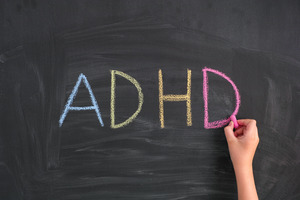
On the surface, it may seem like ADHD and sleep apnea have little to do with each other. In reality, the two often go hand-in-hand, with research indicating that around one-third of all people with ADHD also have sleep apnea. Do you or anyone in your family have ADHD? If so, it’s important to take the time to fully understand how it can potentially be connected to sleep-disordered breathing.
The Basics of Sleep Apnea
Sleep apnea occurs when your breathing is repeatedly interrupted while you’re asleep. The most common type of sleep apnea is obstructive sleep apnea, which is the result of the soft tissues in the back of your throat collapsing and blocking your airway. The pauses in your breathing can force your brain to repeatedly wake your body up in an effort to get some air. As a result, you might find it virtually impossible to get a quality night’s rest.
The Basics of ADHD
People with ADHD (attention-deficit/hyperactivity disorder) often find it difficult to pay attention or stay on task for long periods of time. Additionally, they often feel restless and get the urge to move around frequently; they might also be prone to impulsive behavior, such as interrupting others.
The Link Between ADHD and Sleep Apnea
More research is needed to fully understand the relationship between ADHD and sleep apnea. That said, it is worth noting that the two conditions can have similar symptoms, such as a shortened attention span and forgetfulness. Consequently, sleep apnea and ADHD can sometimes be mistaken for each other.
Furthermore, if you have sleep apnea and ADHD, the two conditions may end up worsening each other. Sleep apnea can make it even more difficult to focus, and ADHD can further hinder your ability to fall and stay asleep.
Treating Sleep Apnea and ADHD
Once sleep apnea and ADHD have been diagnosed, you can start taking the appropriate steps to manage them. Sleep apnea can often be treated with a personalized oral appliance, which is a simple device that can help you maintain an unobstructed airway during the night by slightly repositioning your lower jaw. Meanwhile, addressing ADHD often involves certain kinds of medication and therapy.
Sleep apnea and ADHD can both have a negative impact on your quality of life, especially if they happen to occur together. As such, if you notice warning signs of either condition, it’s in your best interest to have them identified and treated as soon as you can.
About the Author
Dr. Deborah A. Romack has decades of experience in the dental field, having graduated from Baylor College of Dentistry in 1998. She has completed many continuing education courses related to obstructive sleep apnea, and she holds membership with the American Academy of Dental Sleep Medicine as well as other organizations. She is proud to provide customized oral appliances for patients with sleep-disordered breathing. If you just found out you have sleep apnea, you can schedule an appointment with Dr. Romack at Weatherford Dental Sleep Medicine by visiting her website or calling (817) 594-3806.