

Why Bad Dreams Could Be a Sign of Sleep Apnea
July 20, 2026
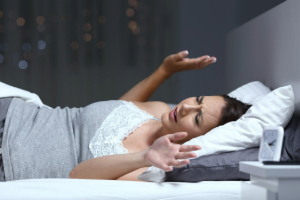
Have you been having a lot of nightmares recently? There are all sorts of factors that can potentially contribute to bad dreams, including anxiety, trauma, and the use of certain medications. But in some cases, nightmares can also be a side effect of untreated sleep apnea. Understanding the impact that sleep-disordered breathing can have on your dreams can be an important first step toward enjoying more peaceful nights again.
Sleep Apnea and Dreaming
Sleep apnea is characterized by pauses in your breathing that repeatedly occur while you’re asleep. Whenever your breathing is interrupted, your brain wakes you up so that airflow can resume. While these awakenings are brief, they still disrupt the sleep cycle and can thus make it more difficult to get a full night’s rest.
Most dreaming occurs during the REM stage of sleep. Since sleep apnea causes you to spend less time in REM sleep, you may find yourself having fewer dreams. However, when you do dream, it’s likely to manifest in the form of a vivid nightmare. The drop in oxygen levels caused by breathing interruptions can trigger the body’s fight-or-flight response, which in turn can make your dreams more frightening or disturbing.
What are Other Warning Signs of Sleep Apnea?
If your nightmares are a side effect of sleep apnea, they may be accompanied by other symptoms, including:
- Loud snoring.
- Gasping for air.
- Waking up with a headache.
- Difficulty focusing during the day.
- Feeling more exhausted than normal during your waking hours.
Note that even if you recognize the warning signs of sleep apnea, the only way to properly diagnose the disorder is with a sleep study.
How Can Sleep Apnea Be Treated?
Treating your sleep apnea can help reduce your nightmares and make it easier to get a good night’s rest again. The best option for addressing sleep-disordered breathing can vary from patient to patient. Some individuals may benefit from wearing an oral appliance that repositions the lower jaw and tongue, thereby keeping the airway open during sleep. In some cases, an oral appliance can be used in conjunction with a CPAP machine; this is known as combined therapy.
If you have any reason to think that your nightmares might be linked to sleep apnea, you should reach out to a sleep dentist as soon as you can. Once they’ve confirmed that you’re suffering from sleep-disordered breathing, they can help you explore your options for treating the underlying problem and improving the quality of your sleep.
About the Author
Dr. Deborah A. Romack is a graduate of Baylor College of Dentistry. Over the course of her career, she has completed continuing education courses covering all sorts of topics, including obstructive sleep apnea and airway obstruction. At Weatherford Dental Sleep Medicine, she offers oral appliances and other solutions for sleep-disordered breathing. If you’re looking for a sleep apnea expert, you can schedule an appointment with Dr. Romack by visiting her website or calling (817) 594-3806.