

Can Exercise Reduce My Sleep Apnea Symptoms?
March 3, 2026
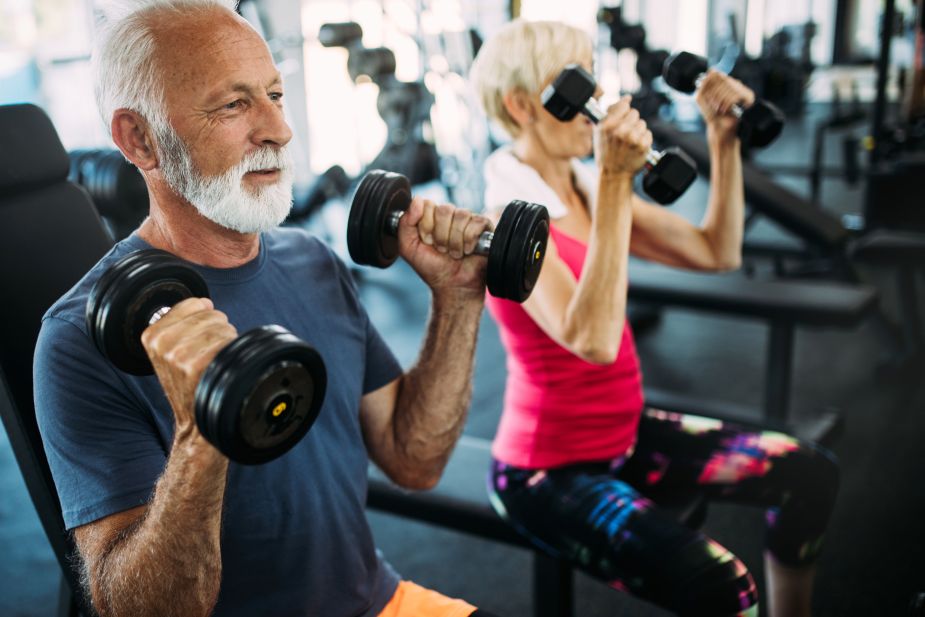
Routine exercise is one of the best ways to stay healthy and strong for a lifetime. It can also help you lose weight, and studies have even shown that it can help you rest more comfortably, too. But what about if you have obstructive sleep apnea (OSA)? This condition occurs when the airway becomes obstructed while you sleep, causing you to struggle to breathe, waking repeatedly throughout the night. Here’s a closer look at how exercising can affect OSA, and how in conjunction with treatment from your sleep dentist, you could finally get a better night’s rest.
How Does Weight Affect Sleep Apnea?
While it is more common in patients who are overweight, male, and over 50 years of age, sleep apnea can affect anyone of any age, weight, or gender. Still, obesity and overweight are one of the leading causes of the condition. One weight-related factor that negatively affects OSA is neck circumference, which can apply pressure to the airway that may help keep it closed. Thus, losing weight can help reduce symptoms by reducing the neck circumference and thereby allowing you to breathe more freely.
How Can Exercising Help Treat Sleep Apnea?
In addition to allowing you to expel energy throughout the day so you are tired at night, exercising can also help you maintain a healthy body weight and potentially reduce your sleep apnea symptoms. Please be aware, however, that weight loss does not guarantee that your sleep apnea will go away completely. The best way to determine if a significant weight loss has affected your condition is to schedule a repeat sleep test.
To reap the benefits of exercise when treating your sleep apnea, experts recommend at least 30 minutes of moderate activity four to five days a week. Patients who adapt this to their regular routines can reduce the severity of their symptoms by up to 25 percent.
How Does a Sleep Dentist Treat Sleep Apnea?
While a sleep doctor or physician may prescribe CPAP therapy for sleep apnea, a sleep dentist is the only person who can prescribe an oral appliance for treatment. These devices can be custom fit to your individual mouth and work to prop the airway open naturally so you can breathe comfortably while sleeping. Unlike CPAP, they do not require electricity, nor do you need to wear an awkward face mask and tubing or breathe uncomfortable forced air all night. Most patients find these devices far more comfortable than CPAP, and because of this they are much more likely to use them as directed.
Remember, staying active and strong is an excellent way to keep your body looking and feeling its best, and when combined with treatment from your sleep dentist, it could also help you get a good night’s sleep when you suffer from obstructive sleep apnea!
About Dr. Romack
Since graduating from Baylor College of Dentistry with Honors in 1998, Dr. Deborah Romack has dedicated her career to understanding the complexities of conditions like sleep apnea. She is a proud, active member of the American Academy of Dental Sleep Medicine, the American Dental Association, and the Texas Dental Association. To schedule a consultation for sleep apnea at Weatherford Dental Sleep Medicine, visit our website or call us today at 817-594-3806.